- February 11, 2026

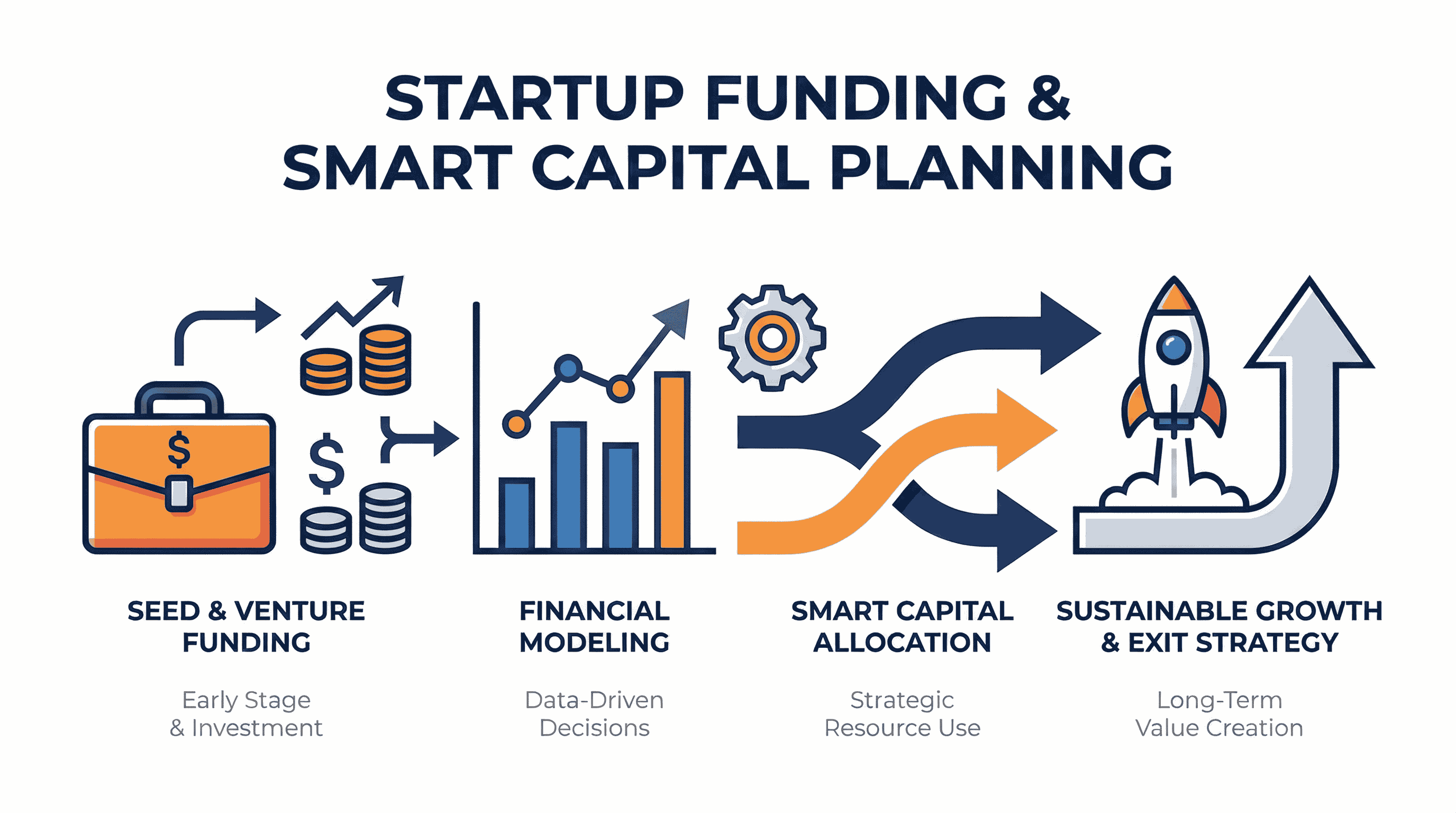
The traditional startup narrative often glorifies venture capital and angel investors as the golden tickets to entrepreneurial success. However, this path comes with significant trade-offs that many founders overlook until it's too late. When you accept outside investment, you're not just gaining capital—you're surrendering ownership, control, and often the very vision that inspired you to start your business in the first place.
The reality is that most successful businesses are built without traditional investor funding. According to recent studies, approximately 77% of small businesses rely on personal savings and alternative funding sources to get off the ground. This approach, while challenging, allows entrepreneurs to maintain complete autonomy over their business decisions and retain 100% of their hard-earned profits.
In this comprehensive guide, we'll explore proven strategies for securing startup funding without diluting your ownership. From leveraging government grants to mastering the art of business plan writing, you'll discover how mentors, business coaching, and strategic planning can open doors to capital that keeps you firmly in the driver's seat of your entrepreneurial journey.
Self-funding, often called bootstrapping, remains the most straightforward path to maintaining complete control over your startup. This approach requires discipline, creativity, and a willingness to start lean—but the rewards can be substantial.
Before launching your venture, consider building a dedicated startup fund through:
● Dedicated savings accounts with automatic monthly contributions
● Side income streams that funnel directly into your business fund
● Asset liquidation of non-essential items or investments
● Reduced personal expenses to accelerate your savings timeline
Many successful entrepreneurs spend 12-24 months building their financial runway before taking the entrepreneurial leap. This preparation phase isn't just about accumulating funds—it's about developing the financial discipline that will serve you throughout your business journey.
Once your business launches, prioritizing revenue generation over rapid scaling creates a sustainable foundation for business growth. This methodology involves:
1. Launching with a minimum viable product to generate early revenue
2. Reinvesting profits strategically into high-impact areas
3. Maintaining lean operations until revenue consistently exceeds expenses
4. Scaling incrementally based on actual market demand
The beauty of revenue-based growth lies in its validation mechanism. Every dollar earned represents real market approval of your product or service, providing invaluable feedback that investor-funded startups often miss in their rush to scale.
Some innovative entrepreneurs take self-funding a step further by securing customer commitments before building their products. This approach includes:
● Pre-sales and deposits for products in development
● Subscription prepayments offering discounts for annual commitments
● Consulting or service revenue that funds product development
This customer-funded approach not only provides capital but also validates market demand and builds a loyal customer base from day one.
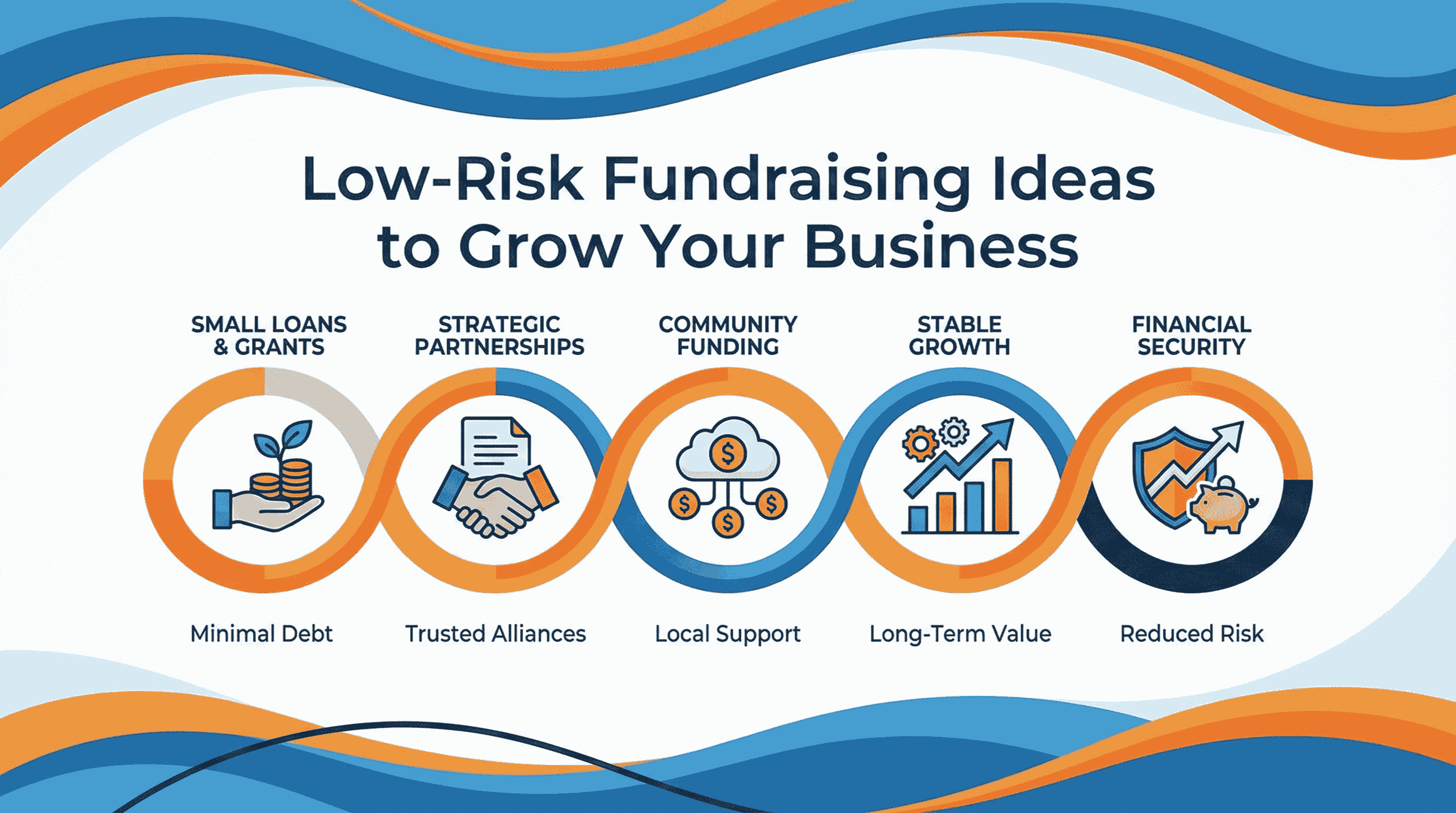
Grants represent one of the most attractive funding options available to entrepreneurs—free capital that never requires repayment or equity sacrifice. While competitive, the effort invested in grant applications can yield substantial returns for qualifying businesses.
The U.S. government offers numerous grant programs designed to support small business innovation and growth:
● Small Business Innovation Research (SBIR) Program: Awards ranging from $50,000 to over $1 million for technology-focused startups
● Small Business Technology Transfer (STTR) Program: Similar to SBIR but requires partnership with research institutions
● Economic Development Administration (EDA) Grants: Focused on job creation and economic development
● USDA Rural Business Development Grants: Supporting businesses in rural communities
These programs specifically seek innovative solutions to pressing challenges, making them ideal for startups developing novel technologies or addressing underserved markets.
Beyond federal opportunities, state and local governments offer targeted funding programs that often face less competition:
● State economic development grants
● City-specific small business grants
● Industry-specific funding programs
● Minority, women, and veteran-owned business grants
Research your state's economic development office and local Small Business Development Center (SBDC) to uncover these hidden opportunities.
Numerous private foundations and corporations offer grant funding to support entrepreneurship:
● FedEx Small Business Grant Contest: Annual competition awarding up to $50,000
● Amber Grant Foundation: Monthly grants for women entrepreneurs
● National Association for the Self-Employed (NASE) Growth Grants: Quarterly awards for small business growth
● Visa Everywhere Initiative: Grants for fintech and payment innovation
The key to grant success lies in alignment. Focus your applications on grants whose missions closely match your business objectives and social impact.
Crowdfunding has revolutionized startup funding by democratizing access to capital. These platforms allow entrepreneurs to raise funds directly from supporters who believe in their vision—without sacrificing equity or taking on debt.
Platforms like Kickstarter and Indiegogo enable entrepreneurs to raise funds by offering products, experiences, or recognition in exchange for contributions:
● Kickstarter: Best for creative projects and consumer products with clear deliverables
● Indiegogo: Offers flexible funding options and supports a broader range of projects
● GoFundMe: Ideal for social enterprises and community-focused initiatives
Successful crowdfunding campaigns require compelling storytelling, professional presentation, and active community engagement. The most successful campaigns often spend months building anticipation before launch.
To maximize your crowdfunding success, focus on these essential elements:
1. Compelling video content that emotionally connects with potential backers
2. Clear value proposition explaining why your product matters
3. Attractive reward tiers at various price points
4. Transparent timeline with realistic delivery expectations
5. Regular updates that maintain backer engagement throughout the campaign
Remember that crowdfunding is as much a marketing exercise as a funding mechanism. A successful campaign builds brand awareness, validates market demand, and creates a community of early adopters who become your most passionate advocates.
For entrepreneurs open to sharing ownership but wanting to avoid traditional investors, equity crowdfunding platforms like Republic, Wefunder, and StartEngine offer an alternative. These platforms allow you to raise capital from numerous small investors, maintaining broader control than you would with a single large investor.
Debt financing through loans and microfinancing allows entrepreneurs to access capital while retaining 100% ownership of their businesses. While loans require repayment with interest, they preserve your equity and autonomy.
The Small Business Administration backs several loan programs designed to make funding accessible to entrepreneurs:
● SBA 7(a) Loans: The most common program, offering up to $5 million for various business purposes
● SBA Microloans: Smaller loans up to $50,000 for startups and small businesses
● SBA 504 Loans: Designed for major fixed asset purchases like real estate or equipment
● SBA Disaster Loans: Emergency funding for businesses affected by declared disasters
SBA loans typically offer favorable terms, including lower interest rates and longer repayment periods than conventional business loans.
For entrepreneurs who may not qualify for traditional bank loans, microfinancing offers an accessible alternative:
● Kiva: Crowdfunded microloans with 0% interest
● Grameen America: Microloans for women entrepreneurs
● Accion: Loans for underserved small business owners
● Local CDFIs: Community-focused lenders with flexible qualification criteria
These organizations often provide more than capital—many offer business coaching, financial education, and networking opportunities that support long-term business growth.
When taking on debt financing, follow these principles to maintain financial health:
1. Borrow only what you can realistically repay from projected revenue
2. Compare multiple lenders to secure the best terms
3. Understand all fees, interest rates, and repayment requirements
4. Create a detailed repayment plan before accepting funds
5. Maintain emergency reserves to handle unexpected cash flow challenges
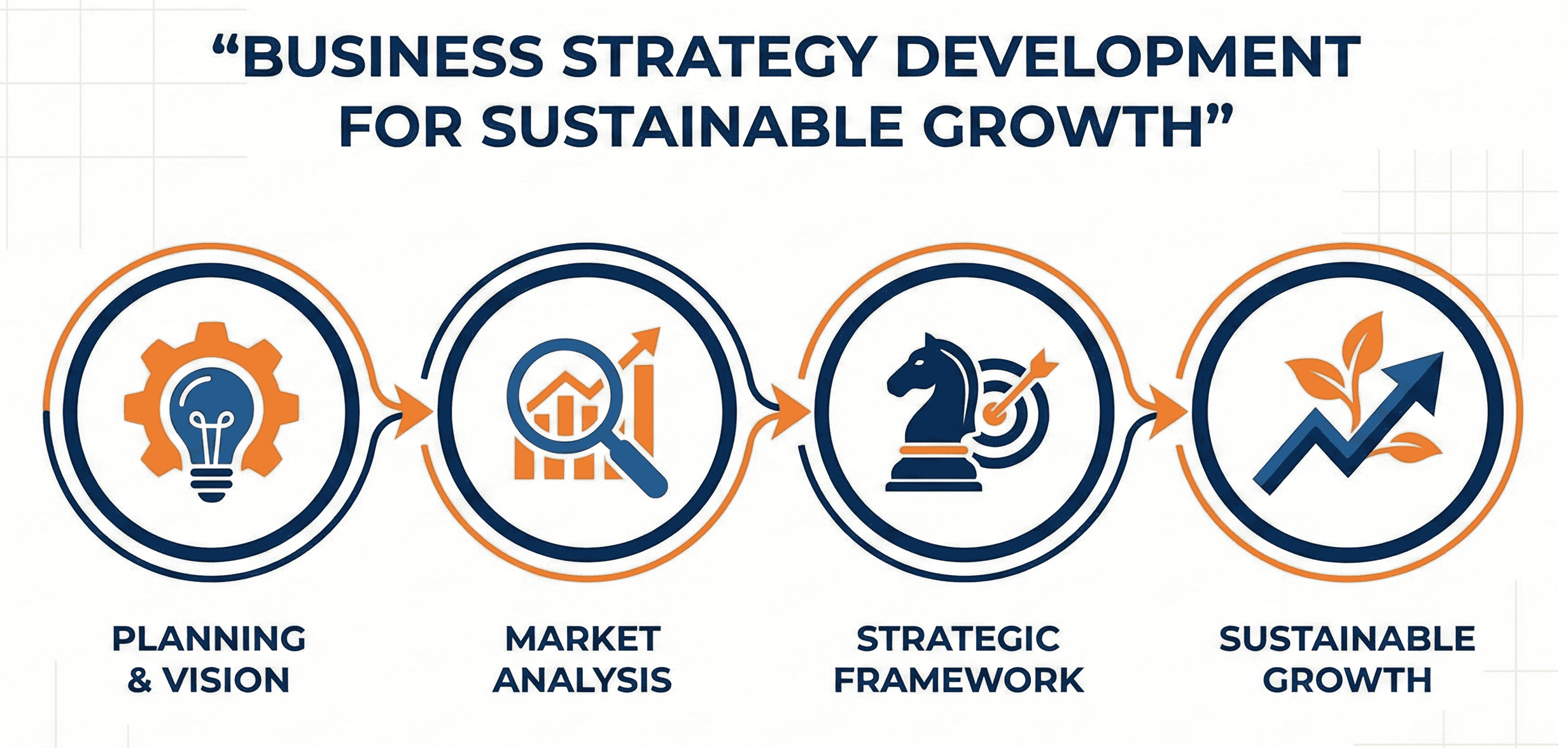
A well-crafted business plan serves as more than an internal roadmap—it's a powerful tool for securing grants, loans, and other non-dilutive funding. Effective business plan writing demonstrates credibility, preparation, and the strategic thinking that funding sources seek.
Your business plan should include these critical sections:
● Executive Summary: A compelling overview that captures attention and summarizes your opportunity
● Company Description: Your mission, vision, and unique value proposition
● Market Analysis: Research-backed insights into your target market and competitive landscape
● Products or Services: Detailed descriptions of your offerings and their benefits
● Marketing and Sales Strategy: Your plan for reaching and converting customers
● Financial Projections: Realistic forecasts with supporting assumptions
● Funding Request: Specific amount needed and detailed use of funds
Lenders and grant committees scrutinize financial projections carefully. Strengthen your credibility by:
● Basing projections on industry benchmarks and market research
● Providing conservative, moderate, and optimistic scenarios
● Clearly stating and justifying all assumptions
● Demonstrating a clear path to profitability
● Including detailed cash flow projections
Pro tip: Have a financial professional review your projections before submission. Unrealistic numbers are the fastest way to lose credibility with funding sources.
Different funding sources prioritize different elements. Customize your business plan by:
● For grants: Emphasize social impact, innovation, and alignment with the grant's mission
● For loans: Focus on cash flow, collateral, and repayment ability
● For crowdfunding: Highlight the story, community benefit, and backer rewards
The right mentors and business coaching relationships can dramatically accelerate your funding success. These experienced guides offer more than advice—they provide connections, credibility, and strategic insights that transform funding outcomes.
Effective mentors bring specific value to your funding journey:
● Industry expertise that helps you understand sector-specific funding opportunities
● Funding experience with insights into what works and what doesn't
● Network connections that open doors to decision-makers
● Credibility transfer that strengthens your applications and pitches
Seek mentors through organizations like SCORE (which offers free mentoring), industry associations, alumni networks, and local entrepreneurship programs.
While mentors offer guidance, professional business coaching provides structured support for achieving specific goals. A skilled business coach helps you:
1. Clarify your funding strategy and prioritize opportunities
2. Develop compelling narratives and presentations
3. Prepare for grant applications and loan interviews
4. Build systems and processes that demonstrate business maturity
5. Maintain accountability and momentum throughout the funding process
The investment in business coaching often pays for itself many times over through improved funding outcomes and accelerated business growth.
Beyond individual mentors and coaches, cultivate a broader support network that includes:
● Peer entrepreneurs who share insights and opportunities
● Professional advisors including accountants and attorneys
● Industry contacts who can provide references and introductions
● Past grant recipients who can share application strategies
This network becomes an invaluable resource not just for funding, but for navigating the countless challenges of entrepreneurship.
To learn how to secure funding for a startup, founders should prepare a strong business plan, explore grants and loans, validate demand, and approach investors with a clear growth strategy.
Securing funding meaning refers to successfully obtaining financial capital—such as grants, loans, or investments—to start, operate, or grow a business.
Funding for business startup options include personal savings, government grants, angel investors, venture capital, crowdfunding, and bank or SBA-backed loans.
To understand how to get investors for a startup, founders must build a compelling pitch deck, show market traction, network strategically, and clearly explain the return potential.
How do tech startups get funding depends on their stage—early-stage tech startups often use angel investors, accelerators, grants, and venture capital to finance rapid growth.
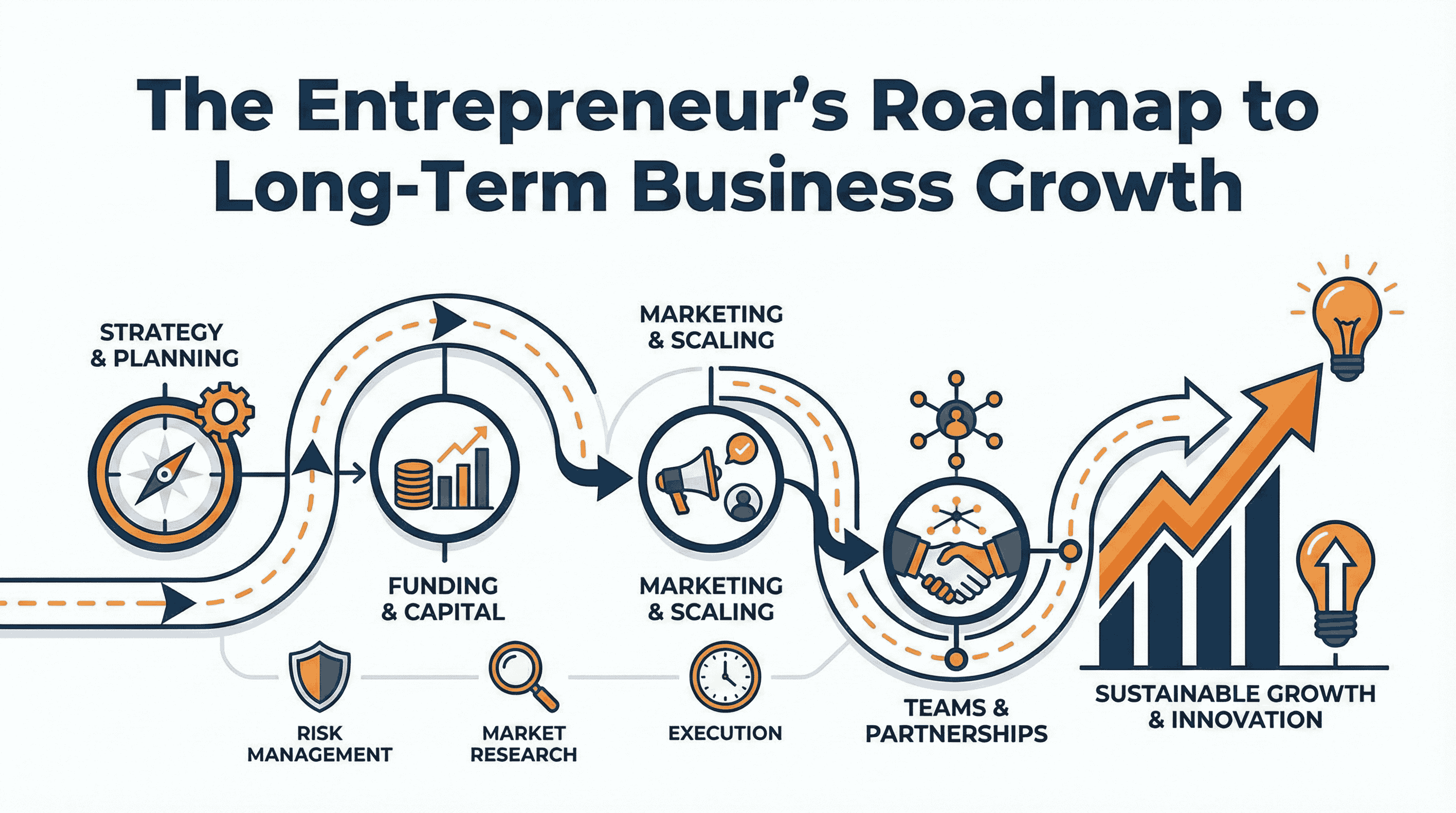
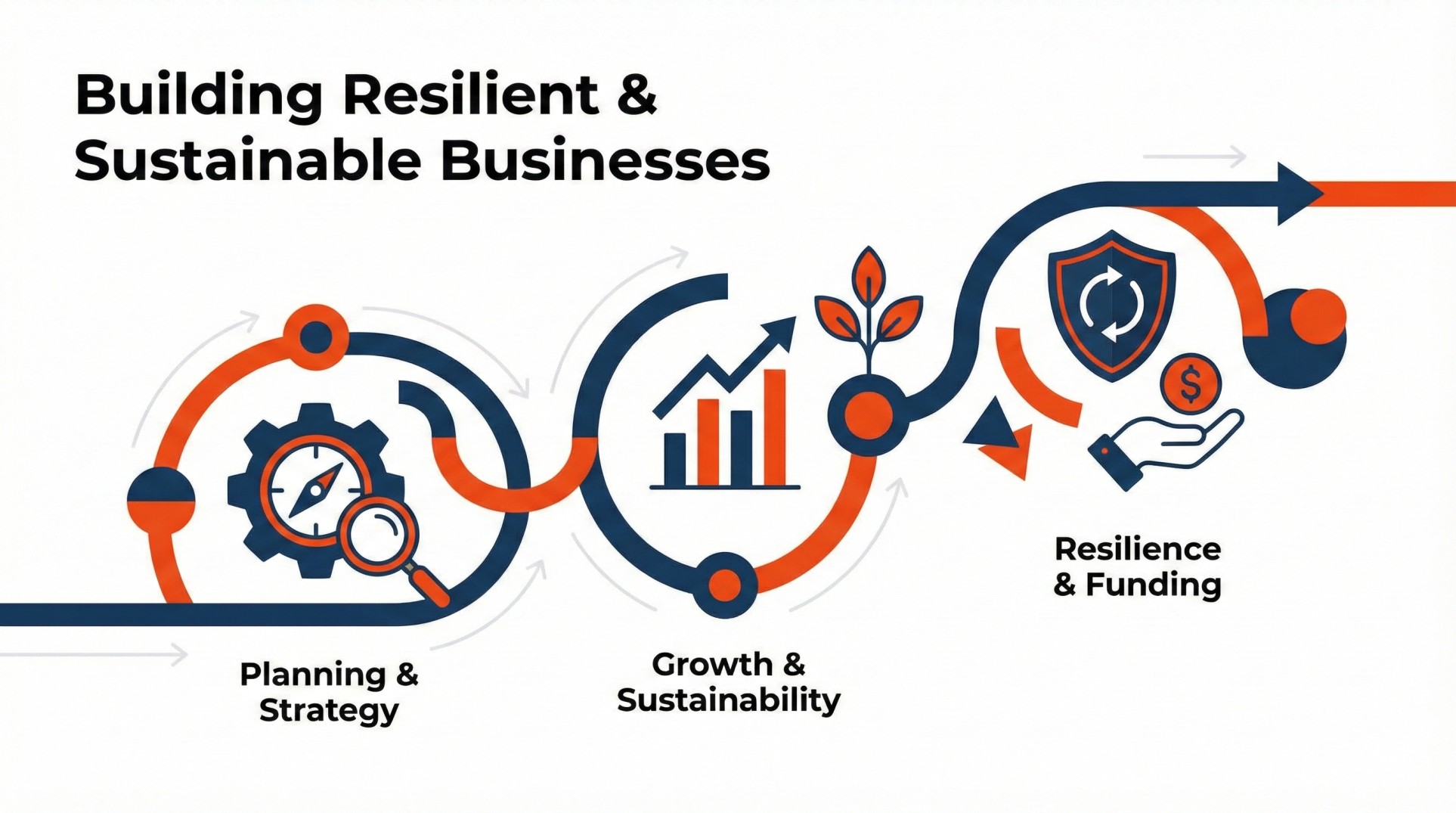
Securing startup funding without traditional investors is not just possible—it’s often the smartest path to sustainable business growth. By combining bootstrapping, small business grants, strategic debt, and disciplined business plan writing, founders can build momentum without sacrificing ownership.
The key is simple: plan strategically, execute consistently, and seek the right business coaching or mentorship when needed.
Build your business on strong fundamentals—and grow on your own terms.
For expert funding, business mentorship, business growth solutions, and entrepreneur programs, visit: The Entrepreneur Studio
Follow Us:
Facebook – https://www.facebook.com/people/The-Entrepreneur-Studio/61552810916102/
Instagram – https://www.instagram.com/theentrepreneurstudio/
Twitter – https://x.com/T_E_Studio
LinkedIn – https://www.linkedin.com/company/the-entrepreneur-studio/, Manmeet Abroll, Andrew Evans