- December 18, 2025

The world of entrepreneur is changing faster than ever. With the rise of AI, shifting economic conditions, and global uncertainty, today’s entrepreneurs are operating in a landscape that looks completely different from just a few years ago. Speed, adaptability, and clarity have become essential for survival.
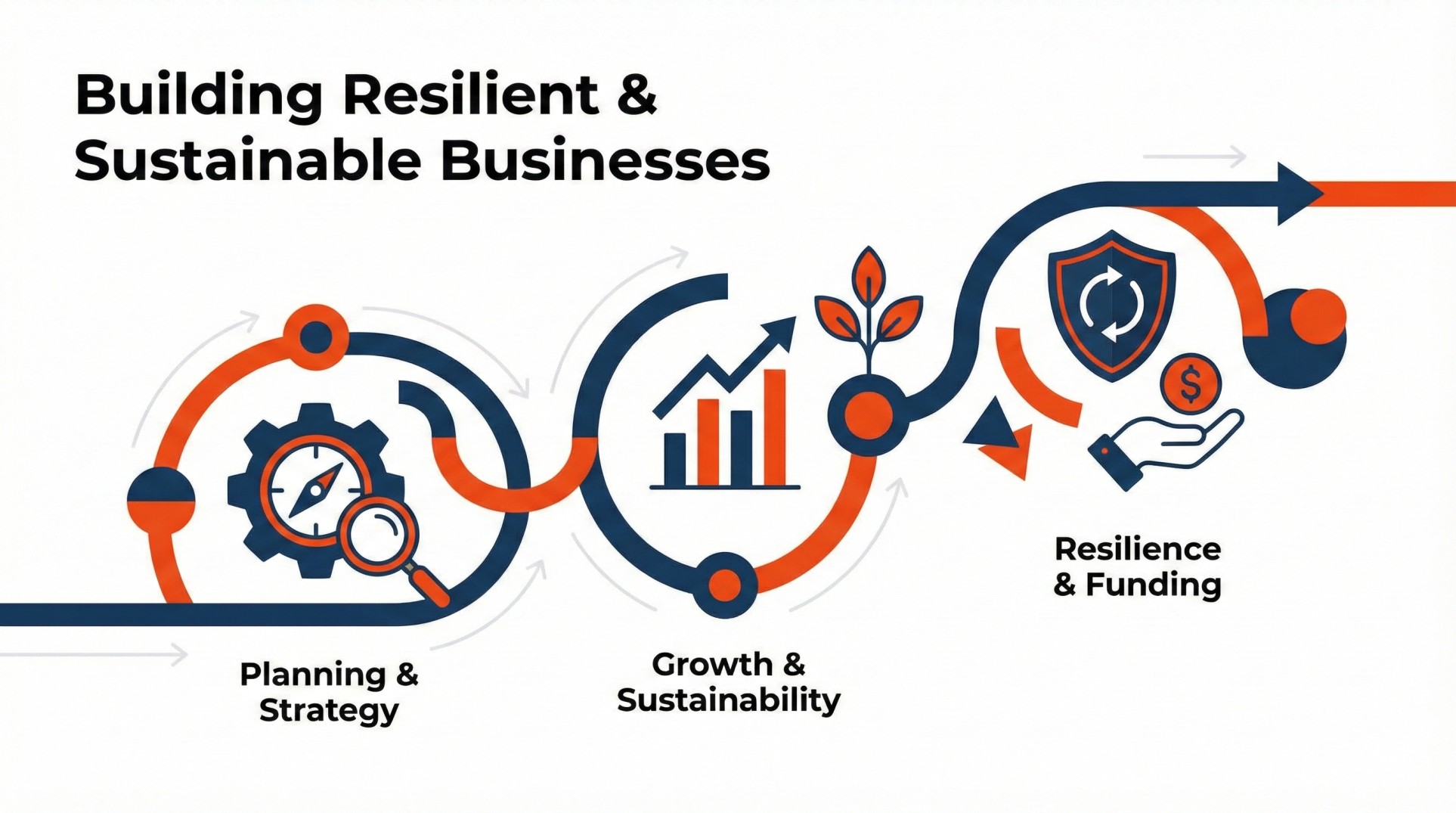
Entrepreneurship in today's time is not just about launching a good idea, but creating a business that can survive and grow even in uncertainty. Resilience gives a business the strength to bounce back from adversity, while sustainability ensures stable and responsible growth in the long run. The most successful entrepreneurs after 2026 will be the ones who combine these two qualities together to create a future-ready company.
Now consumers, investors and society want to see a business that not only profits, but also has a responsible and positive impact. Sustainable business uses resources wisely, builds brand trust, and attracts long-term investors. When resilience and sustainability come together, a future-ready business model is created that continues to grow and create value for society despite any market shocks.This shift has pushed sustainability to the center of business strategy.
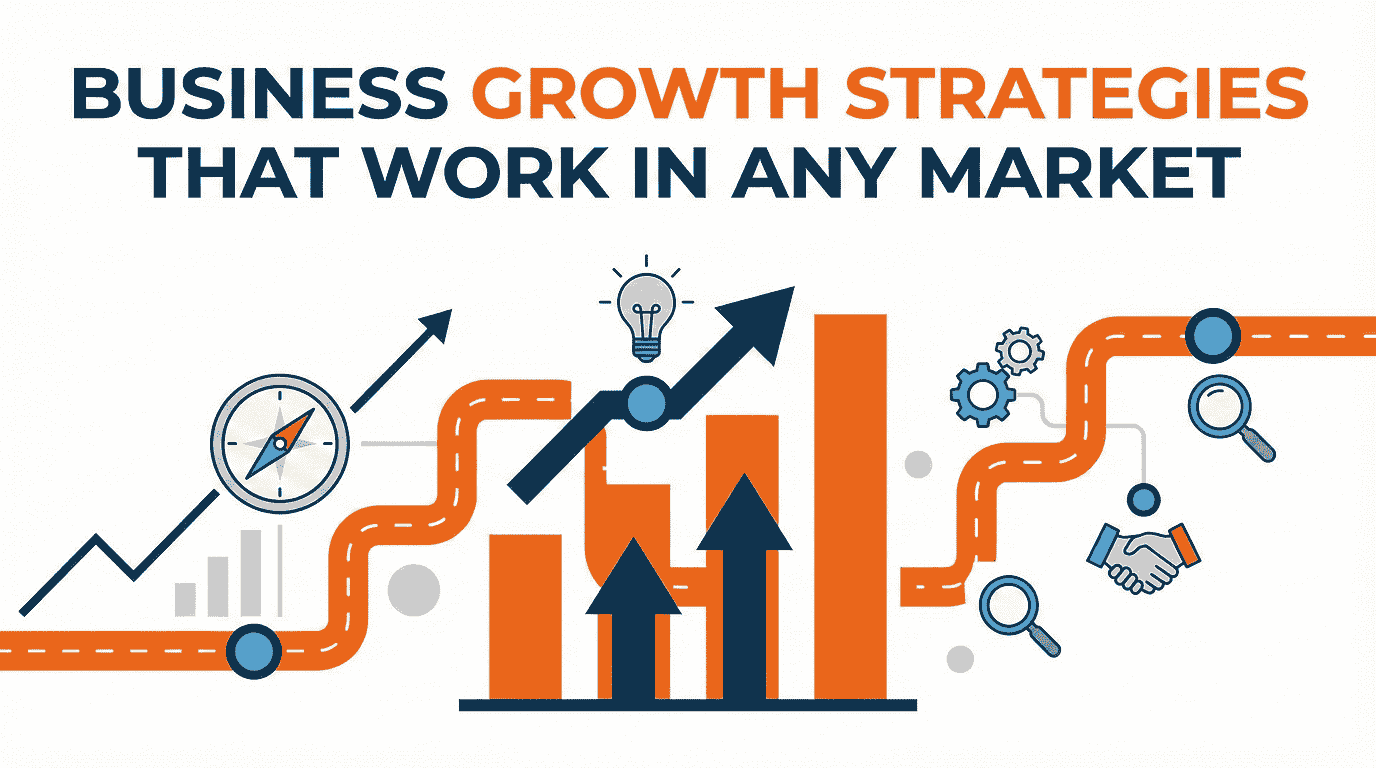
Building a successful entrepreneur business requires a multifaceted approach that combines strategic planning with tactical execution.
Business resilience simply means a company’s ability to survive disruptions, adapt to change, and continue growing even when situations become difficult. Whether it’s an economic slowdown, a sudden industry shift, loss of a major client, or new technologies reshaping the market-resilient businesses stay steady and recover faster.
In short, resilience is not just about “surviving tough times”-it’s about developing the strength and agility to come out stronger than before.
Resilience has become a core advantage for businesses in today’s fast-changing world. Markets evolve quickly, customer expectations shift overnight, and new technologies constantly disrupt old models. In this environment, stability alone is not enough-entrepreneurs must be able to pivot, innovate, and rebuild whenever necessary.
Resilient businesses are less affected by sudden downturns, unexpected expenses, or operational challenges. They have plans, systems, and financial buffers that help them navigate uncertainty smoothly.
Customers gravitate toward companies that remain reliable, consistent, and strong—even when situations change. A resilient business builds long-term loyalty because people trust it to deliver regardless of the circumstances.
Modern investors look for businesses that can withstand pressure and maintain performance over time. Resilient startups appear safer, better managed, and more capable of scaling responsibly.
Instead of losing months trying to rebuild after a crisis, resilient entrepreneurs bounce back quickly. They treat challenges as opportunities to improve products, strengthen operations, and explore new revenue streams.
Sustainable Entrepreneurship is the process of starting and growing a business that creates economic value (profit) while simultaneously delivering positive social and environmental impact - and doing so in a way that can be maintained over the long term without depleting resources or harming society.
A business cannot be truly sustainable unless it is financially healthy. Economic sustainability focuses on creating stable revenue, managing expenses wisely, and building predictable financial systems that protect the company during tough times.
This balanced approach reduces financial stress and ensures that the company can continue operating-supporting employees, serving customers, and investing in future innovation-no matter what happens in the market.
Sustainable entrepreneurship begins with a mindset shift-from chasing short-term gains to creating long-term value. Many modern founders focus only on rapid growth, quick revenue, and immediate success. But truly successful entrepreneurs build companies that remain valuable and impactful for years, even decades.
A legacy-driven business is rooted in purpose, consistency, and responsibility. It looks beyond quarterly profits and asks:
“How will my business impact customers, employees, and society over time?”
This long-term vision helps entrepreneurs make smarter decisions, develop stable business models, and build a foundation that can survive market changes. When a business is built on values and long-term strategy, it naturally attracts loyal customers, strategic partners, and investors who seek stability.
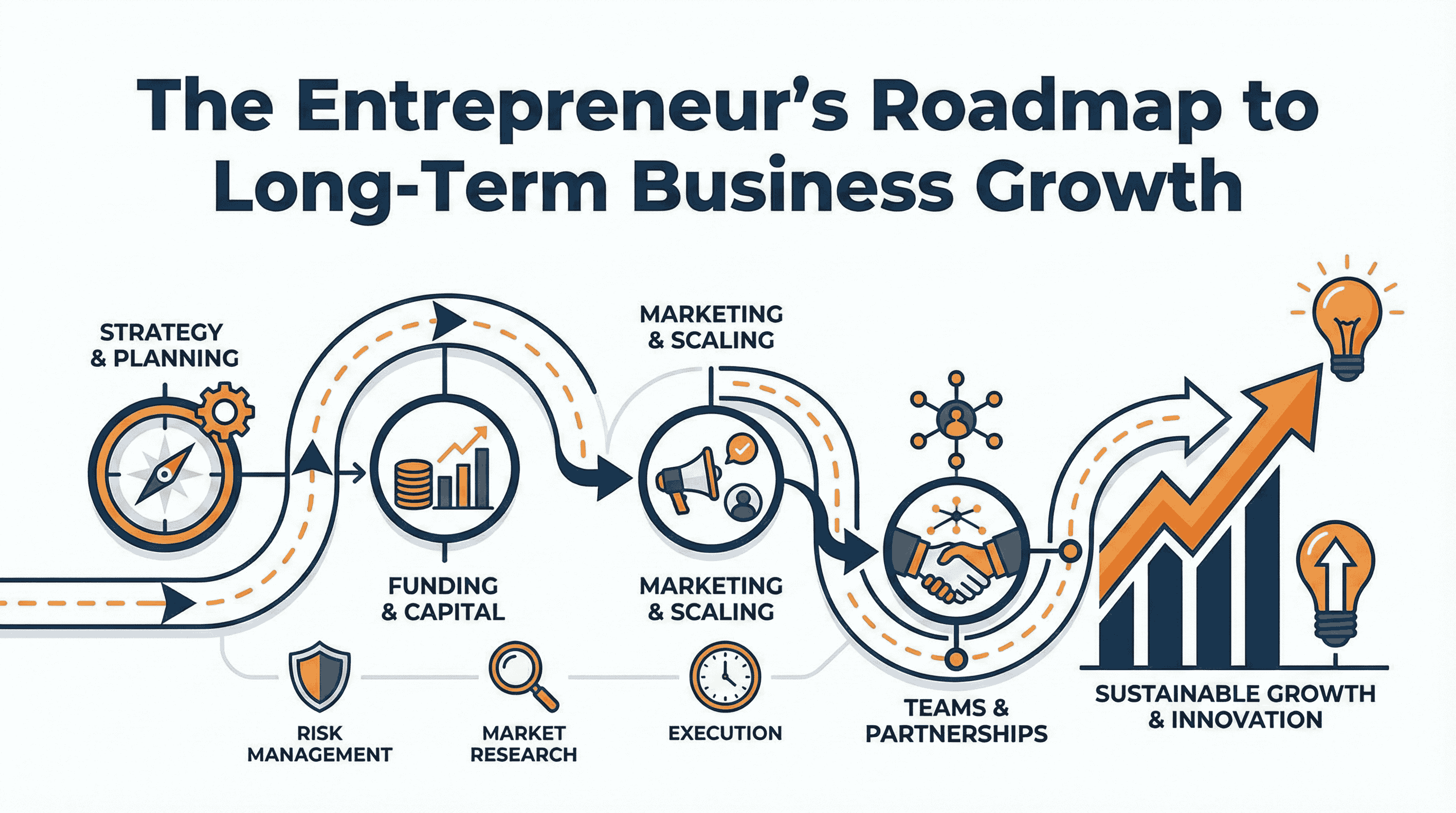
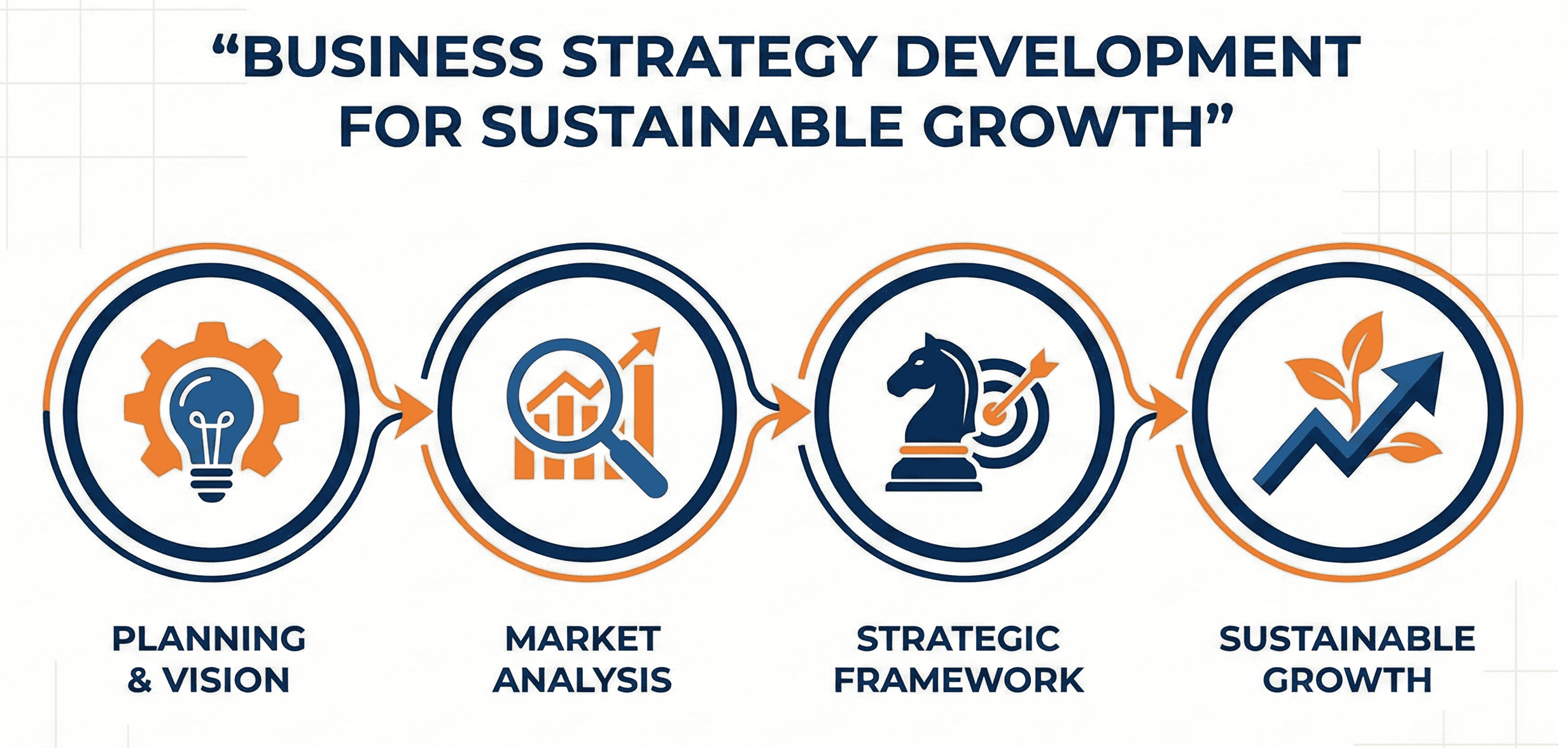
A sustainable begins with a strong, well-defined strategy. Entrepreneurs must know where they want to go and how they will get there. But most founders struggle with planning because they try to do everything alone.
This is where structured growth programs-especially 12-Week Accelerator Programs play a powerful role.
The 12-week format forces founders to move fast, stay accountable, and develop long-term clarity-something that directly supports sustainability and resilience. Businesses that go through accelerators often grow 2–3x faster, secure more funding, and build stronger foundations for long-term success.
A sustainable business needs predictable operations and scalable systems. Without solid processes, growth becomes unstable.
Mentors and accelerator coaches guide founders on how to set up these systems early, so the business doesn’t collapse under growth pressure.
Sustainable businesses don’t rely on luck - they rely on structure.
With the right strategy, customer focus, strong branding, operational systems, expert mentoring, and programs like the 12-Week Accelerator, entrepreneurs build companies that are future-ready, scalable, and resilient.
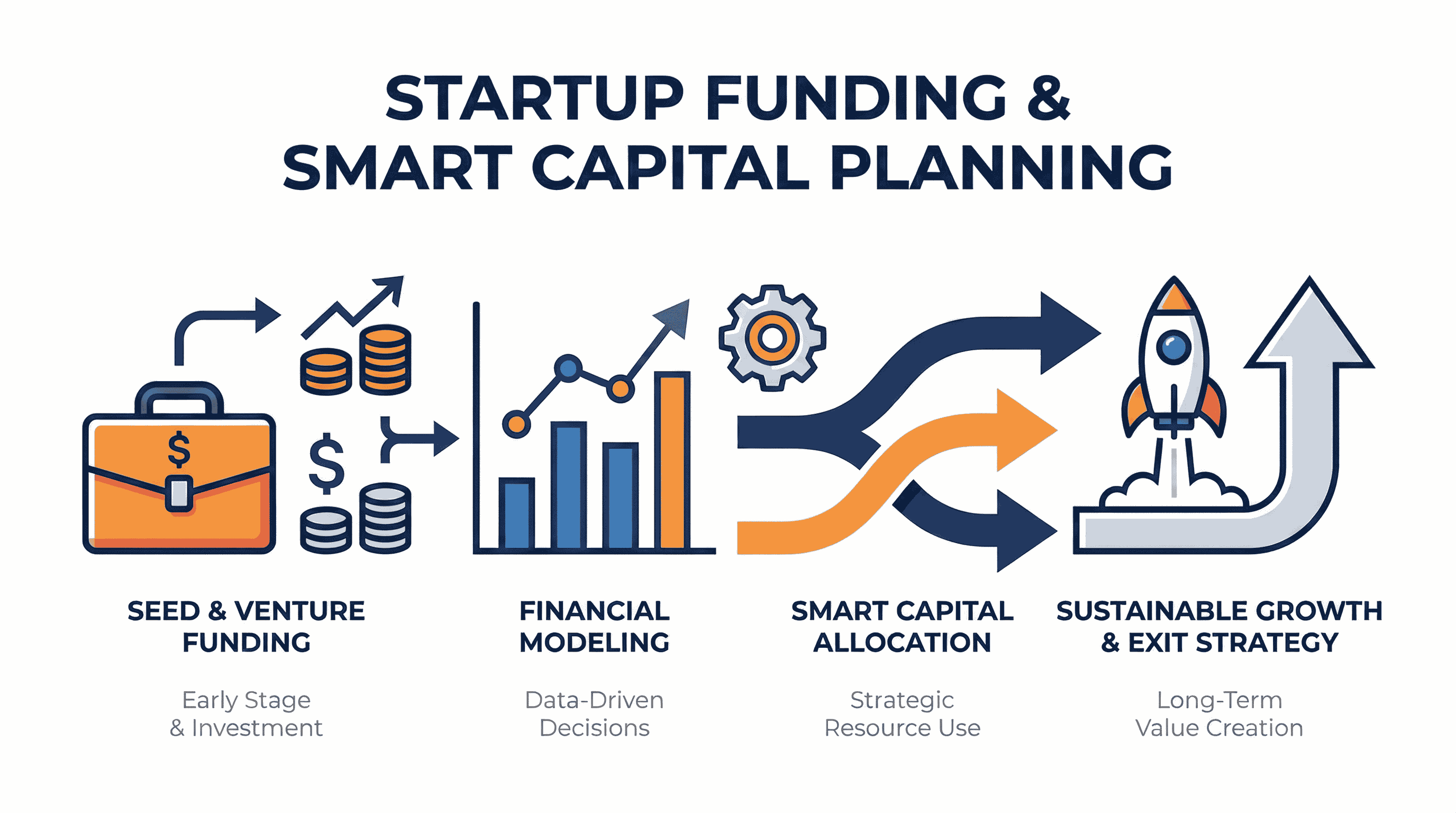
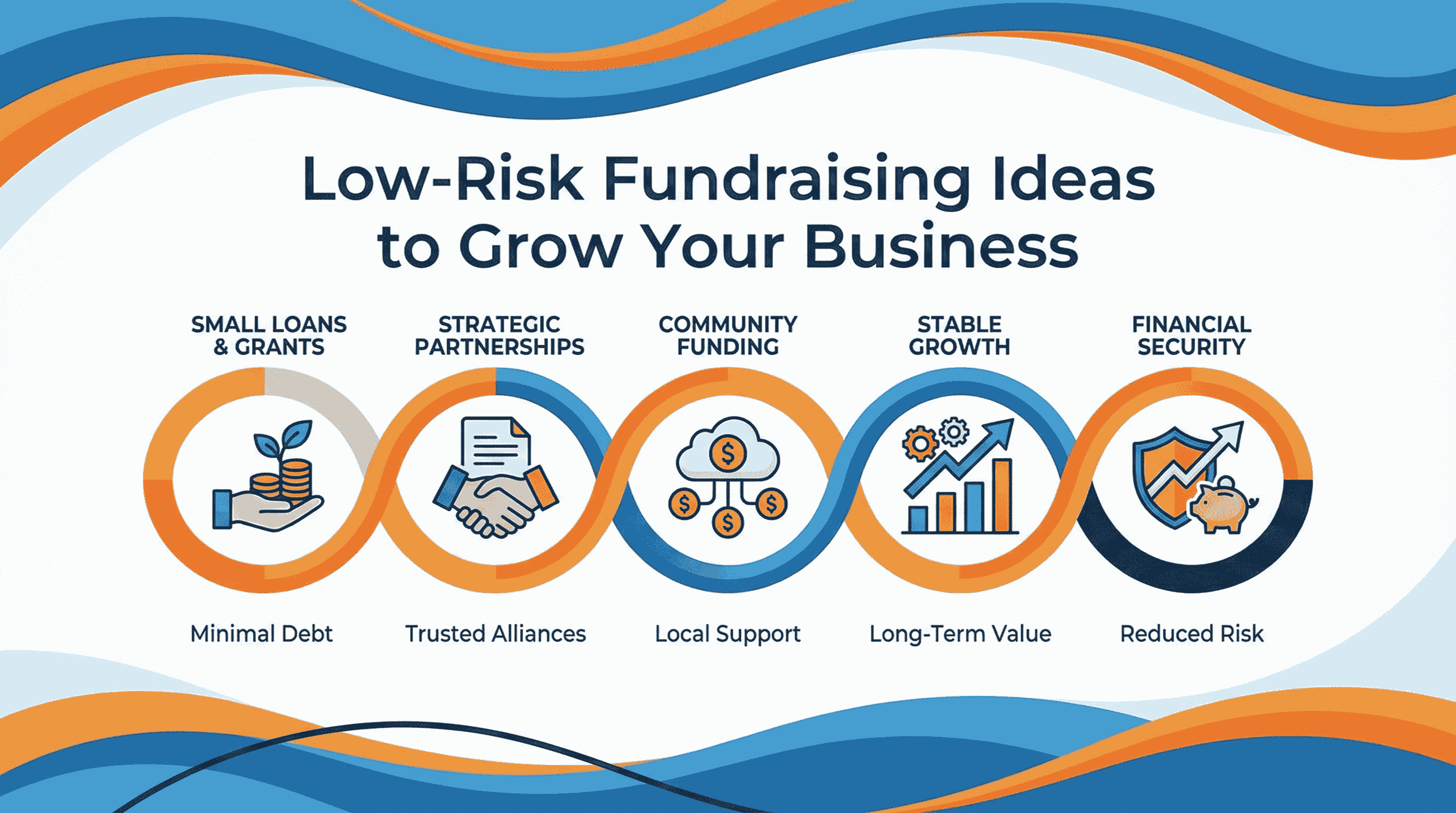
Building a sustainable business is not only about strategy and strong operations - it also requires the right kind of financial support. Entrepreneurs who understand how to unlock grants, attract investors, and use smart fundraising channels grow faster and reduce long-term risk. Funding acts as the fuel that powers innovation, stability, and expansion.
At The Entrepreneur Studio, founders get guided access to strategic funding pathways, expertly curated grant opportunities, and investment-ready preparation that increases their chances of receiving capital.
Many governments, local authorities, and global organisations now offer grants to support sustainable business practices, innovation, and early-stage startups. These grants help entrepreneurs grow without taking on debt, making them highly attractive for long-term stability.
Aside from grants, modern entrepreneurs can raise capital through creative, flexible, and founder-friendly funding channels. Many sustainable and resilient businesses attract investment faster because their long-term potential is clearer.
Here are effective fundraising methods:
Startups can win prize money, mentorship, investor interest, and visibility by participating in entrepreneurial pitch events.
VC firms increasingly support sustainable startups because they offer stable, future-proof returns. Companies with strong ESG principles are becoming a preferred investment category.
Many accelerator programs offer seed funding, grant matching, or investor demo days. Businesses that graduate from high-quality accelerators often secure 2–3x more funding due to stronger business strategy, pitch readiness, and validation.
Investors today are more selective than ever. They look for startups with strong fundamentals, long-term vision, and the ability to survive market fluctuations. Sustainable businesses naturally attract more investment because they:
Many entrepreneurs start with passion and strong ideas, but unknowingly make strategic mistakes that stop their business from becoming resilient and future-ready. Understanding these mistakes early helps founders course-correct and build a company that can survive challenges and grow responsibly.
Many founders chase quick profits, fast growth, or immediate wins.But businesses that survive long-term think beyond the next quarter.
Markets change faster than ever because of AI and automation.
Many founders try to “do everything alone.”This leads to slow growth and repeated mistakes.
Relying on one product or one client is dangerous.
business sustainability means operating in a way that meets today's needs without harming future generations, balancing Profit, People, and the Planet by reducing negative environmental/social impacts, ensuring long-term financial health, and creating lasting value for society.
Sustainability is important for businesses because it enhances reputation, attracts customers and employees, improves financial performance through cost savings, and helps ensure long-term viability and resilience.
Environmental sustainability in business means operating a company in a way that minimizes its negative impact on the environment, protects natural resources, and ensures the ability of future generations to meet their own needs.
stability is a system's tendency to stay near its original state, while resilience is its capacity to absorb disturbance and reorganize while retaining core functions.
Business sustainability faces challenges like high initial costs, complex global supply chains, difficulty measuring and standardizing data, balancing short-term profit with long-term goals, lack of internal knowledge, and shifting consumer/investor demands, all requiring significant investment, strategic vision, and innovation to overcome.
The future belongs to entrepreneurs who build businesses that can survive uncertainty and grow responsibly. Resilience + sustainability together create a future-proof business model that adapts to challenges and stays strong long-term. Modern founders must innovate continuously, refine strategies, and focus on long-term value instead of short-term wins.
These qualities improve internal strength and increase trust from investors, customers, and partners. Entrepreneurship is not just about profit-it’s about creating long-lasting impact and meaningful legacy.
For expert funding, business mentorship, business growth solutions, and entrepreneur programs, visit: The Entrepreneur Studio
Follow Us:
Facebook – https://www.facebook.com/people/The-Entrepreneur-Studio/61552810916102/
Instagram – https://www.instagram.com/theentrepreneurstudio/
Twitter – https://x.com/T_E_Studio
LinkedIn – https://www.linkedin.com/company/the-entrepreneur-studio/, Manmeet Abroll, Andrew Evans