
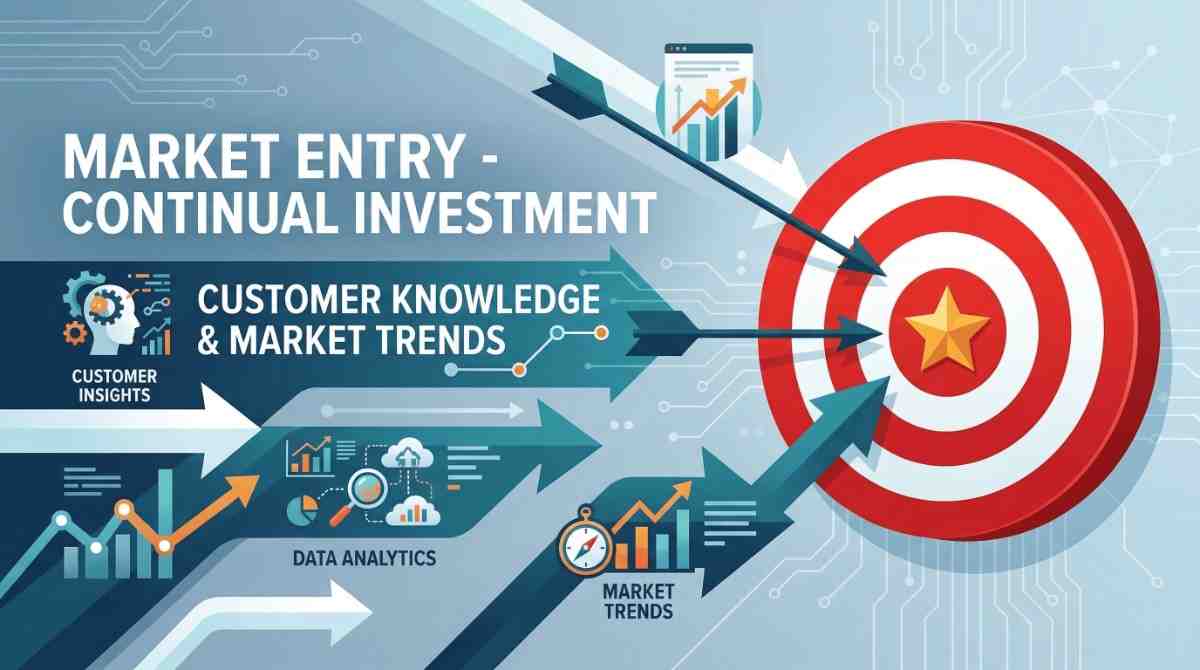
Developing continual market research using consumer knowledge is about creating an ongoing loop of insights that helps stay connected to the audience’s needs, behaviours, and attitudes. Some ways to build a system for this are;
· Break down consumers into categories based on demographics, behaviour and preferences
· Tailor research tools to be flexible within each segment
· Use surveys or feedback forms to capture consumer sentiment
· Monitor what consumers are saying on social media
· Analyse conversations and complaints from customer service channels
· Use models such as AI to predict future behaviours
· Set up a system to continually survey customers capturing their long-term satisfaction and experiences
· Track consumers regularly to measure loyalty and overall sentiment about your brand
· Bring a select group of customers together to form a focus group or advisory panel
· These can also serve as a testing ground for new ideas before they go live
· Instead of doing one massive project, break it into smaller, more manageable components to help adjust strategies quickly as new consumer insights come in
· Run A/B tests on marketing materials, product features, and website layouts regularly testing new concepts
· Stay updated on what competitors are doing by tracking their marketing activities, new product launches, and consumer feedback
· Subscribe to industry reports, attend webinars, and join relevant trade groups keeping up to date on broader market trends
· Use tools like CRM systems (Customer Relationship Management software) to automate the collection and analysis of consumer data
· Tools like Tableau or PowerBI help assess trends over time
· Create a consistent, accessible reporting structure for the whole team so that everyone from marketing to product development is in the loop.
· Ensure the company is focused on understanding and serving the consumer
By building a framework for ongoing trend analysis ensures businesses adapt quickly to changes helping to maintain a competitive edge. Helpful market trends;
· Regularly read industry reports from trusted research firms like Nielsen, Gartner, or Statista
· Sign up for specialised industry publications in your industry
· Government agencies provide data on economic shifts, consumer spending patterns, and regulatory changes
· Use tools like Brandwatch, Hootsuite, or BuzzSumo to monitor conversations on platforms like X, Facebook, LinkedIn, and Reddit
· Follow influencers and thought leaders to keep tabs on experts in your field
· Engage in forums and communities (e.g., Quora, Subreddits, industry-specific forums) where early adopters and trendsetters discuss new ideas and pain points
· Continuously track your competitors’ product launches, marketing campaigns, and customer feedback
· Keep an eye on startups or emerging brands, they often capitalise on new trends before established players
· Tools like Google Analytics, IBM Watson, or Tableau help predict emerging trends by analysing historical data and identifying patterns
· Use data modelling to predict how consumer behaviour might evolve in the next months or years
· Use Google Trends to see what people are searching for over time
· Monitor search engine trends to see which keywords are gaining traction
· Maintain an ongoing consumer advisory panel that meets regularly to discuss new products, services, or industry changes
· Regularly meet the customer service team to understand recurring concerns, product-related issues, or feature requests that align with market shifts
· Stay updated with technological advancements that could disrupt your industry
· Adopt new tools such as, AI, AR, VR, and IoT and consider how these impact consumer experiences in your sector
· Monitor economic trends such as shifts in interest rates, inflation, or employment which have a direct impact on consumer purchasing behaviour
· Economic reports like the Consumer Confidence Index (CCI) or Purchasing Managers' Index (PMI) give insight into consumer optimism, spending power, and likely future behaviours
· Implement an agile system that adapts to changes quickly
· Instead of waiting for months to conduct a massive research project, create shorter research cycles that deliver actionable insights
· Build dashboards with real-time data to quickly spot trends as they emerge
· Engage with market analysts, consultants, or industry leaders who can provide insights into current or future trends.
· Participate in industry-specific events to learn from thought leaders, gain insights into where the market is heading, and hear about new innovations
· Tools like Trendwatching, Trends.co, or Springwise can help you spot emerging trends, new market opportunities, and consumer insights.
Constantly tracking these sources, gathering data from multiple channels, and integrating predictive tools, helps develop a system of continual market research allowing you to stay ahead of trends.
For expert funding, mentorship, business growth solutions, and entrepreneur programs, visit: The Entrepreneur Studio
Follow Us:
Facebook – https://www.facebook.com/people/The-Entrepreneur-Studio/61552810916102/
Instagram – https://www.instagram.com/theentrepreneurstudio/
Twitter – https://x.com/T_E_Studio
LinkedIn – https://www.linkedin.com/company/the-entrepreneur-studio/, Manmeet Abroll, Andrew Evans