
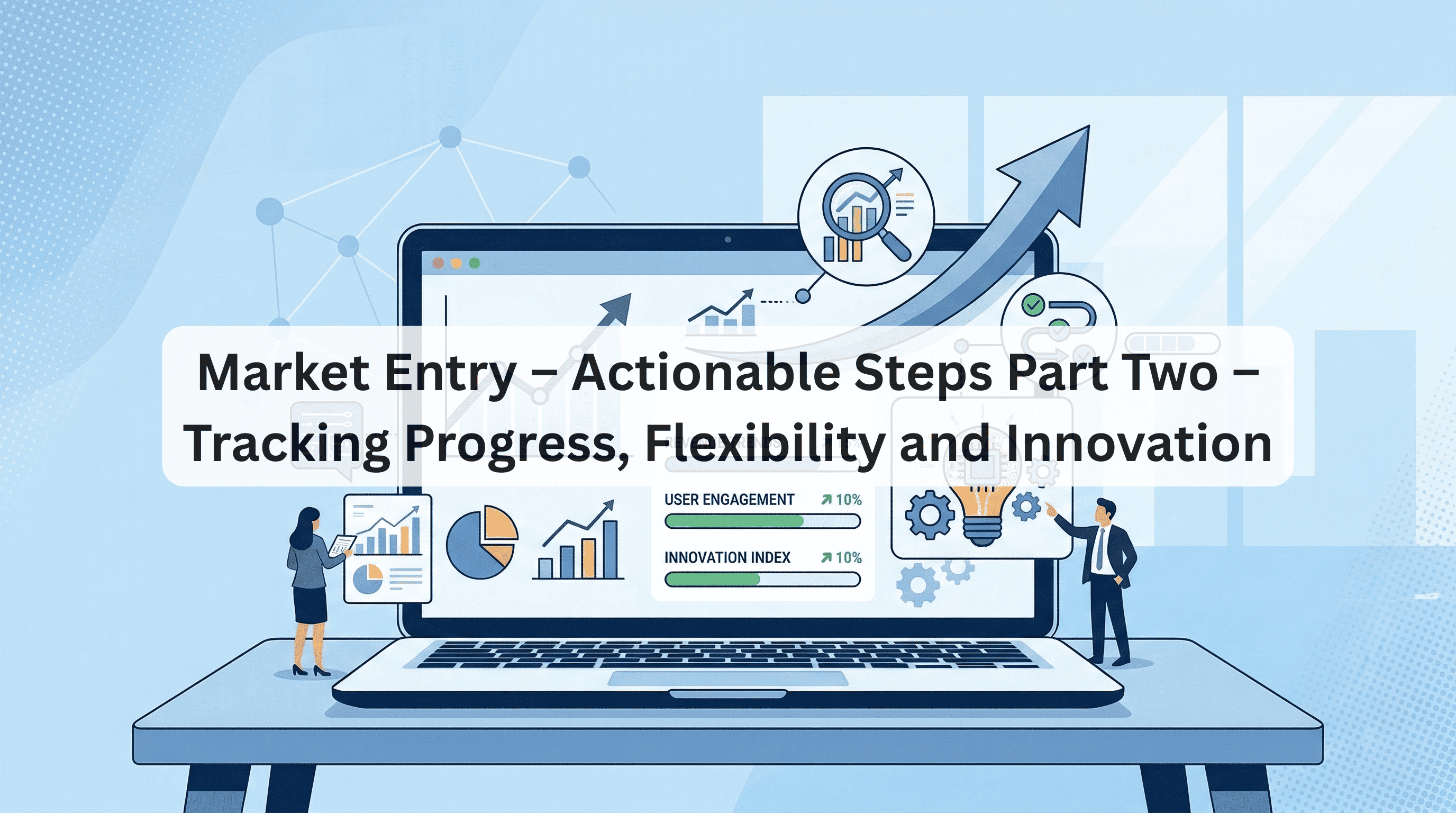
Monitoring performance helps to adjust and optimise resources to achieve objectives. Tracking progress involves;
· Define success looks, including revenue targets, market share, customer acquisition, and brand awareness
· Identify KPIs that to track progress
· Break goals into smaller, manageable milestones with specific deadlines
· Implement a dashboard that consolidates key metrics in one place, whether via business intelligence tools or simple tracking sheets
· Review performance depending on the pace of the market and business objectives
· Monitor actual sales vs projected sales
· Track associated costs, including operational, marketing, distribution, and legal costs
· Track ROI for marketing campaigns
· Measure costs of acquiring new customers
· Monitor how leads are being converted into paying customers
· Measure customer loyalty through repeat purchases, churn rate, or Net Promoter Score (NPS)
· Measure customer churn and repeat purchase rates
· Use surveys, focus groups, and listening tools to track brand recognition
· Track market share by comparing sales to the overall market size
· Monitor website traffic, social media engagement, and app downloads
· Collect feedback via surveys, reviews, and customer satisfaction forms
· Measure loyalty by calculating NPS scores
· Track sentiment on social media, forums, and review platforms to gauge customers sentiment
· Monitor the effectiveness of marketing campaigns using UTM links to track traffic and conversions from specific campaigns
· Track the performance of different customer segments
· Use content marketing to monitor how well your content is performing in terms of engagement, shares, leads generated, and conversions
· Track supply chain efficiency, including inventory levels, delivery times, and any logistics issues that may arise
· Measure how efficiently orders are being fulfilled
· Track customer service metrics such as response time, resolution time, and customer satisfaction with support
· Check competitors' activities
· Track emerging market trends, including technological advancements, regulatory changes, and shifts in consumer preferences
· Periodically revisit your SWOT analysis based on the latest data
· Identify weak spots where things are not going according to plan
· Continually iterate business strategies
· Use tracking insights to continuously optimise business processes
· Hold regular reviews with key stakeholders
· If metrics aren’t being met, determine whether the issue lies in execution, market conditions, or external factors, and adjust your strategy accordingly
· Keep company leadership updated on progress, challenges, and key learnings from the market
· If the metrics are positive consider increased investment in high-performing channels or expand your product line
· Track which regions are performing best and consider focusing more resources in high-performing areas
Be flexible and innovative in response to new challenges and opportunities. Steps to keep you flexible and innovative include;
· Continually assess if your core product or service offering is the best fit for the market
· Adapt your value proposition to local needs, preferences, and cultural nuances
· Implement an agile approach to product development, marketing, and overall strategy execution
· Create a minimal viable product (MVP) or service and test it with real users
· Collect feedback from your customers, sales teams, and partners
· Foster a culture where experimentation is encouraged
· Bring together teams from different areas to brainstorm and generate innovative ideas
· Experiment with various marketing tactics
· Test different creative approaches, such as local cultural references or variations of your brand
· Use various marketing channels and measure their
· Run different types of creative ads, targeting, and offers to test which combinations bring the highest conversion rates
· Monitor what customers are saying about your brand, competitors, or industry
· Start with a small-scale pilot program to test your assumptions about the market
· Use the pilot to trial new ideas, such as delivery models, subscription services, or innovative customer supports
· Focus on early adopters who are willing to try new products or services
· Involve customers in the development process by gathering input on product features, design, or service enhancements
· Collaborate with customers to co-create solutions that meet their unique needs
· Host innovation challenges or hackathons, inviting local entrepreneurs, developers, or customers to come up with creative solutions your business is trying to solve
· Experiment with business models like subscription-based services or freemium offerings
· Depending on your industry, try a freemium model or free trials
· Test dynamic or value-based pricing models tailored to purchasing power or customer expectations
· Be open to emerging technologies such as artificial intelligence, blockchain, or augmented reality
· Use automation tools to streamline operations and reduce manual workloads.
· Monitor industry trends, customer behaviours, and competitor moves to identify trends before they become mainstream
· Pivot quickly based on early signals
· Form strategic alliances with local businesses or influencers to gain better insights into the market and foster innovation
· Collaborate with complementary businesses through joint ventures to expand your reach or innovate together
· Create a team dedicated to seeking opportunities, experimenting with technologies, or adapting business models
· Encourage collaboration between departments to inspire new ideas
· Allocate resources for experimentation
For expert funding, mentorship, business growth solutions, and entrepreneur programs, visit: The Entrepreneur Studio
Follow Us:
Facebook – https://www.facebook.com/people/The-Entrepreneur-Studio/61552810916102/
Instagram – https://www.instagram.com/theentrepreneurstudio/
Twitter – https://x.com/T_E_Studio
LinkedIn – https://www.linkedin.com/company/the-entrepreneur-studio/, Manmeet Abroll, Andrew Evans